

Key Takeaways
- Metabolism naturally slows with age, but you can boost it through protein-rich foods and regular hydration.
- Safe muscle-building activities help burn more calories and maintain strength after 60.
- Realistic changes take 4–6 weeks to show results, avoiding quick fixes leads to lasting success.
- Senior living communities provide professional meal planning and fitness programs to support healthy metabolism.
Boost Your Metabolism After 60
Your body feels different at 60 than it did at 30, and you might notice that maintaining your weight requires more effort than before. You’re not imagining things. Your metabolism really does change as you age, affecting how your body burns calories throughout the day. At Olive Branch Senior Living, we understand these changes and how they affect your daily life.
You can speed up your metabolism after 60 through targeted nutrition choices, appropriate exercise, and consistent daily habits that work with your body’s natural processes. The changes you make don’t need to be dramatic to create meaningful results, and our assisted living community can provide the support you need to implement these healthy habits.
What Metabolism Does and Why It Slows Down
Your body converts food into energy constantly, even when you’re sleeping or watching television. This process powers everything from your heartbeat to your brain function, burning calories 24 hours a day.
Age affects metabolic rate naturally because you lose muscle mass over time, and muscle tissue burns more calories than fat tissue. Your hormone levels also shift, particularly thyroid hormones that regulate how fast your body uses energy.
Several factors influence your metabolism speed beyond age. Your activity level, sleep quality, and eating patterns all play roles in determining how efficiently your body burns calories. Quality sleep patterns become increasingly important as we age for maintaining a healthy metabolism.
Simple Ways to Boost Your Metabolism Through Diet
Add More Protein to Your Meals
Protein requires more energy to digest than carbohydrates or fats, meaning your body burns extra calories just processing it. This effect, called the thermic effect of food, can increase your metabolic rate for several hours after eating.
Protein also helps maintain muscle mass with age, which keeps your metabolism higher overall. When you preserve muscle tissue, you burn more calories even during rest periods.
Easy protein sources include eggs at breakfast, Greek yogurt as snacks, lean meats, fish, beans, and nuts. Aim to include protein in every meal rather than loading up on it all at once. Proper meal planning helps you get adequate protein throughout the day.
Stay Hydrated Throughout the Day
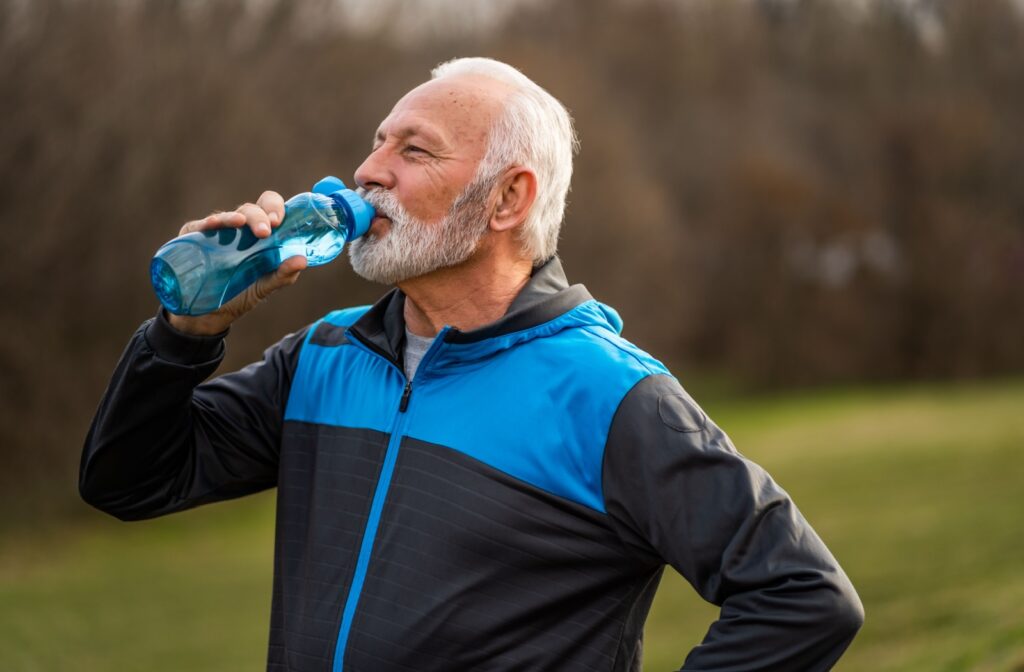
Water helps your body process nutrients efficiently and supports all metabolic functions. When you’re dehydrated, your metabolism can slow down as your body works harder to maintain normal functions.
Drinking water before meals can help reduce overeating by creating a feeling of fullness. This prevents the metabolic slowdown that happens when you consume more calories than your body needs.
Keep a water bottle nearby and sip regularly rather than waiting until you feel thirsty. Herbal teas, broths, and water-rich foods like soups and fruits also contribute to your daily hydration needs.
Exercise Options That Work for Your Body

Muscle-building activities burn more calories than cardio alone because they create an “afterburn effect” where your body continues burning extra calories for hours after exercising. Resistance training also prevents the muscle loss that naturally slows metabolism with age.
Safe movement options after 60 include resistance bands, light weights, bodyweight exercises like wall push-ups, and water aerobics. Chair exercises work well if mobility is limited, and gentle yoga builds strength while improving flexibility. Age-appropriate fitness routines help you maintain strength without overexertion.
Balance activity with adequate rest because overexercising can stress your body and slow metabolism. Start with 2–3 exercise sessions per week, focusing on consistency rather than intensity.
Realistic Expectations for Metabolism Changes
You’ll typically see metabolic improvements within 4–6 weeks of consistent changes to your diet and exercise routine. Your energy levels may increase sooner, but measurable changes in weight or body composition take more time.
Avoid metabolism myths like extreme calorie restriction or expensive supplements promising instant results. These approaches often backfire by causing your body to conserve energy and slow your metabolism further.
Sustainable lifestyle changes work better than dramatic overhauls. Small adjustments to your daily routine, maintained consistently over months, create lasting metabolic improvements that support your health long-term. Staying properly hydrated becomes more challenging with age but remains important for metabolic health.
How Senior Living Supports Healthy Metabolism
Professional meal planning takes the guesswork out of nutrition by providing balanced, protein-rich meals that support healthy metabolism. Registered dieticians create menus that include the right balance of nutrients without requiring you to plan, shop, or prepare complex meals.
Fitness programs designed specifically for seniors offer safe, effective ways to build muscle and boost metabolism. These programs adapt to different mobility levels and health conditions, providing you can participate regardless of your starting point.
At Olive Branch Senior Living, our compassionate team understands that maintaining your health and vitality matters at every stage of life. Our restaurant-style dining provides nutritious meals prepared by professionals, while our wellness activities help you stay active in ways that feel enjoyable rather than overwhelming. Contact our team to schedule a tour and learn how our community can support your journey toward better health and increased energy.